
The Evolution of Digital Marketing: Trends, Tools, and Strategies for Success
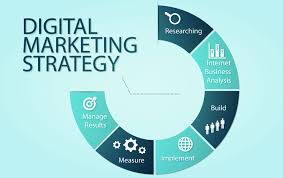
Digital marketing has become an essential component of business strategy in the 21st century. With more consumers engaging with brands online, businesses are increasingly investing in digital channels to reach and engage their target audience. This article delves into the evolution of digital marketing, highlighting key trends, tools, and strategies that businesses can leverage to thrive in the digital era.
The Shift from Traditional to Digital Marketing
The rise of the internet, social media, and mobile technologies has led to a major shift in how businesses market their products and services. Traditional marketing methods such as print ads, TV commercials, and billboards are no longer the only options available. Instead, digital marketing encompasses a broad range of strategies, including search engine optimization (SEO), social media marketing, email marketing, content marketing, and online advertising.
This shift is driven by the changing behaviors of consumers. With the majority of people spending significant time online, digital platforms offer businesses the ability to connect with their audience where they spend most of their time. Moreover, digital marketing allows for greater personalization, real-time interaction, and measurable results, making it an attractive choice for businesses looking to grow their brand and reach.
The Power of Social Media Marketing
Social media platforms like Facebook, Instagram, LinkedIn, Twitter, and TikTok have become powerful tools for businesses to engage with their audience. Social media marketing involves creating and sharing content, running ads, and building communities around brands. It provides an opportunity for businesses to humanize their brand, engage with followers, and create content that resonates with their audience.

The use of influencer marketing has also skyrocketed in recent years. By partnering with influencers who have large followings in specific niches, brands can reach a highly targeted audience and benefit from the trust and authenticity that influencers have built with their followers. With social media continuously evolving, businesses must stay on top of platform updates, trends, and audience behaviors to ensure their marketing efforts remain effective.
Search Engine Optimization (SEO): The Art of Being Found
One of the most vital aspects of digital marketing is search engine optimization (SEO), which helps businesses improve their visibility in search engine results. When consumers search for products or services online, they often turn to search engines like Google to find relevant information. SEO is the process of optimizing a website or online content to rank higher in search results, making it easier for users to find.
Effective SEO involves a variety of strategies, including keyword research, on-page optimization (such as using proper titles, headings, and meta tags), backlink building, and creating high-quality, relevant content. With SEO, businesses can drive organic traffic to their website, reduce their reliance on paid ads, and build long-term online visibility.
Content Marketing: Engaging and Educating Audiences
Content marketing is another critical aspect of digital marketing. It involves creating valuable, relevant, and consistent content to attract and retain a defined audience. Content can come in many forms, including blog posts, videos, infographics, eBooks, podcasts, and more. The goal of content marketing is to provide information that educates, entertains, or solves problems for the audience, ultimately driving them to take action, such as making a purchase or signing up for a newsletter.
Content marketing is effective because it helps businesses build trust with their audience. By offering solutions and useful insights, businesses can position themselves as experts in their industry and build long-term relationships with potential customers. Content marketing also supports SEO efforts by providing fresh, keyword-rich content that search engines love to rank.
Paid Advertising: Reaching the Right Audience at the Right Time
While organic digital marketing efforts like SEO and content marketing are essential, paid advertising remains a crucial tool for businesses looking to expand their reach quickly. Platforms like Google Ads, Facebook Ads, and LinkedIn Ads allow businesses to target specific demographics based on age, location, interests, behavior, and more. Paid ads can appear in search results, on social media platforms, or across websites, ensuring that businesses can reach the right audience at the right time.
Pay-per-click (PPC) advertising allows businesses to only pay when users click on their ads, making it a cost-effective way to drive traffic. Moreover, the ability to measure results in real-time means businesses can refine their strategies and improve their return on investment (ROI).
The Future of Digital Marketing: AI, Automation, and Personalization
As technology continues to advance, the future of digital marketing looks even more promising. Artificial intelligence (AI) and machine learning are transforming how marketers analyze data, predict trends, and personalize experiences. Automation tools are allowing businesses to streamline their marketing efforts, from email campaigns to social media management, improving efficiency and effectiveness.

Leave a Reply