
Achieving Optimal Health and Fitness: A Journey Toward Wellness
Health and fitness are cornerstones of a fulfilling life, impacting everything from mental clarity to physical vitality. In today’s fast-paced world, where sedentary lifestyles and poor dietary habits are increasingly common, maintaining health and fitness is more important than ever. A balanced approach that includes regular physical activity, proper nutrition, and adequate rest is essential for overall well-being. Whether you are starting your fitness journey or are looking for ways to enhance your routine, understanding the basics of health and fitness can help you live a longer, healthier, and more energetic life.
The Importance of Physical Activity
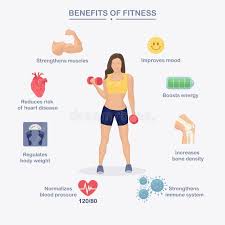
Regular physical activity is one of the most powerful tools for improving overall health. Exercise doesn’t just help you stay in shape; it also provides numerous benefits for your heart, muscles, and bones. Cardiovascular exercises, such as running, cycling, or swimming, are particularly effective at strengthening the heart and improving blood circulation. These exercises help lower the risk of heart disease, high blood pressure, and diabetes, while promoting healthy cholesterol levels.
Strength training is equally important, as it helps build and maintain muscle mass. As we age, we naturally lose muscle, which can lead to weakness and frailty. Incorporating resistance training into your fitness regimen can help counteract this decline, improve balance, and prevent falls. Additionally, strength training boosts metabolism, aiding in weight management and fat loss.
Flexibility and mobility exercises, such as yoga or stretching routines, are also vital for maintaining joint health and reducing the risk of injury. These exercises improve posture, alleviate muscle stiffness, and enhance range of motion, making it easier to perform daily tasks and stay active as we age.

Nutrition: Fueling Your Body for Success
Exercise alone isn’t enough to achieve optimal health and fitness; what you eat plays a crucial role as well. Proper nutrition is the foundation of a healthy body, providing the energy and nutrients necessary for physical activity, recovery, and overall well-being. A well-balanced diet should include a variety of nutrient-dense foods, including:
- Lean proteins: Found in foods like chicken, fish, eggs, beans, and legumes, protein is essential for muscle repair and growth.
- Complex carbohydrates: Whole grains, fruits, and vegetables provide the body with energy and fiber, promoting digestive health and sustained energy levels.
- Healthy fats: Sources like avocado, nuts, seeds, and olive oil are important for brain function, hormone regulation, and inflammation reduction.
- Vitamins and minerals: These micronutrients support various bodily functions, including immune health, bone strength, and energy production. A diverse diet rich in colorful fruits and vegetables helps ensure you get a wide range of vitamins and minerals.
Hydration is also key to maintaining optimal health. Drinking enough water throughout the day helps regulate body temperature, lubricates joints, and supports digestion. Dehydration can lead to fatigue, headaches, and poor exercise performance, so it’s important to stay hydrated before, during, and after workouts.
Rest and Recovery: The Often-Overlooked Factor
While exercise and nutrition are essential, rest and recovery are just as important for achieving fitness goals. The body needs time to repair muscles, replenish energy stores, and rebuild tissues after physical exertion. Without adequate rest, overtraining can occur, leading to fatigue, injury, and a decrease in performance.
Sleep is a crucial aspect of recovery. During deep sleep, the body produces growth hormones that aid in tissue repair and muscle growth. Aiming for 7-9 hours of quality sleep each night allows the body to recover fully, keeping you energized and prepared for the next workout.
Rest days between intense exercise sessions are also important. These days allow muscles to recover and prevent burnout. Active recovery, such as light walking, stretching, or yoga, can promote circulation and flexibility while avoiding overstraining the body.
The Mind-Body Connection
Achieving health and fitness isn’t just about physical activity—it’s also about mental well-being. Exercise has been shown to have a positive impact on mental health, reducing symptoms of anxiety, depression, and stress. Physical activity stimulates the release of endorphins, the body’s natural mood elevators, and promotes better sleep patterns.
Maintaining a healthy mindset is equally important in achieving fitness goals. Setting realistic, achievable goals, staying consistent, and finding a workout routine that you enjoy are all key components of long-term success. It’s also important to be kind to yourself and recognize that setbacks are a natural part of any fitness journey. The key is perseverance and finding balance in all areas of life.
Conclusion: A Lifelong Commitment to Wellness
Health and fitness are not just short-term goals but lifelong commitments that require consistency, discipline, and a holistic approach. By combining regular physical activity, proper nutrition, and sufficient rest, you can enhance your quality of life, improve your mental and physical health, and enjoy the benefits of a strong, vibrant body. Whether you’re looking to boost your energy, lose weight, or simply feel better in your own skin, prioritizing health and fitness is one of the best investments you can make for yourself and your future.

Leave a Reply