
unjust dismissal vs wrongful dismissal the same
Employment termination laws often create confusion because similar terms are used to describe different legal ideas. One of the most frequently asked questions in this area is Is Unjust dismissal vs wrongful dismissal the same?, since both relate to situations where an employee is terminated in a way that may be considered improper or unfair. While the two terms are closely related and sometimes overlap in everyday usage, they are not always identical in meaning or legal application. The difference lies mainly in the legal foundation each concept is based on—fairness and labour standards versus contractual obligations.
Unjust dismissal generally refers to a situation where an employee is terminated without fair reason or without following proper procedures required by labour laws or workplace policies. The focus is on fairness and whether the employee was treated justly during the termination process. For example, if an employee is fired without being given an opportunity to respond to allegations, or without a proper investigation, it may be considered unjust. Many labour protection systems are designed to ensure that employers act reasonably and do not dismiss employees arbitrarily or in a discriminatory manner. This makes unjust dismissal primarily a fairness-based concept, often evaluated by labour tribunals or employment boards.
Wrongful dismissal, on the other hand, is more closely connected to contract law. It occurs when an employer breaches the terms of an employment agreement when terminating an employee. This may include failing to provide proper notice, not paying wages in lieu of notice, or disregarding specific termination procedures outlined in the contract. Unlike unjust dismissal, wrongful dismissal does not necessarily focus on whether the termination was fair in a moral or procedural sense; instead, it focuses on whether the employer followed the legally binding terms of the contract. This means a dismissal can be lawful in intent but still wrongful if contractual obligations are not met.
When comparing Unjust dismissal vs wrongful dismissal, the key distinction becomes clearer in terms of legal basis. Unjust dismissal is rooted in employment and labour law, which prioritizes fairness, due process, and protection from abusive or arbitrary termination. Wrongful dismissal is rooted in civil contract law, which focuses on whether the employer has violated the agreed-upon terms of employment. Because of this, the same termination may be treated differently depending on which legal framework is applied. In some cases, an employee may have claims under both categories if the termination is both procedurally unfair and contractually improper.
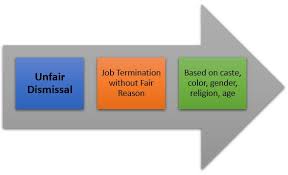
Is unjust dismissal vs wrongful dismissal the same?
The question Is unjust dismissal vs wrongful dismissal the same? becomes even more important when considering how cases are handled in practice. Unjust dismissal claims are typically brought before labour tribunals or employment boards that specialize in workplace fairness and statutory protections. These bodies assess whether the employer acted reasonably and followed proper procedures. Wrongful dismissal claims, however, are usually filed in civil courts where the focus is on breach of contract and financial compensation. This difference affects not only the legal process but also the type of evidence required and the remedies that may be awarded.
The remedies available also highlight the differences between the two concepts. In unjust dismissal cases, remedies may include reinstatement of the employee, compensation for lost wages, or corrective actions requiring the employer to follow proper procedures. The goal is often to restore fairness in the employment relationship. In wrongful dismissal cases, compensation is usually monetary and based on the notice period or contractual benefits the employee should have received. Reinstatement is rare in wrongful dismissal cases because the focus is on financial loss rather than workplace fairness.
From a practical perspective, understanding Statutory protection is important for both employees and employers. Employees need to know their rights so they can identify whether their termination violates fairness standards, contract terms, or both. Employers must understand both concepts to ensure they comply with labour laws and employment contracts simultaneously. Failure to do so can result in legal disputes, financial penalties, and reputational harm.
In conclusion, the answer to Is Employment standards the same? is no, they are not exactly the same, even though they are closely related. Unjust dismissal focuses on fairness and procedural justice under labour law, while wrongful dismissal focuses on breach of contract under civil law. Both are important in protecting employee rights and ensuring lawful termination practices, but they operate on different legal principles and lead to different outcomes. Understanding this distinction helps create clearer expectations and fairer employment relationships for both parties.

Leave a Reply