
The Future of Automobiles: Innovation, Sustainability, and the Road Ahead
The automobile industry has undergone significant transformations over the past century. From the advent of the first mass-produced cars to the rise of electric vehicles (EVs) and autonomous technology, the auto sector continues to evolve in remarkable ways. As we move further into the 21st century, new trends and innovations are reshaping how we view transportation. This article explores the future of automobiles, focusing on cutting-edge technologies, sustainability efforts, and the changing landscape of mobility.
Electric Vehicles: Paving the Way for a Greener Future
One of the most significant shifts in the auto industry today is the rise of electric vehicles (EVs). With growing concerns about climate change, pollution, and the depletion of fossil fuels, automakers are investing heavily in EV technology. Electric cars produce zero emissions, offering a cleaner and more sustainable alternative to traditional gas-powered vehicles. Leading manufacturers like Tesla, Nissan, and Chevrolet have already made EVs mainstream, while other brands are fast-tracking their plans to switch to electric models.
The growth of EV infrastructure, including widespread charging stations, is another crucial factor in the shift toward electric transportation. Innovations in battery technology are also making EVs more affordable, efficient, and practical for consumers. As battery life and charging times continue to improve, EVs are expected to become an even more attractive option for drivers worldwide.
Autonomous Vehicles: A Glimpse into the Future of Driving
Another exciting development in the auto industry is the rise of autonomous or self-driving vehicles. The promise of self-driving cars has captured the imagination of many, offering the possibility of safer roads, reduced traffic congestion, and improved efficiency. Autonomous vehicles rely on a combination of sensors, artificial intelligence, and machine learning to navigate without human intervention.
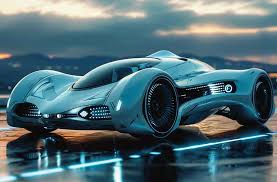
While fully autonomous cars are not yet widely available, many automakers are already incorporating semi-autonomous features, such as adaptive cruise control, lane-keeping assistance, and automatic emergency braking, into their models. Companies like Waymo and Uber are leading the charge in testing self-driving vehicles, and it’s likely that, in the next decade, we’ll see more widespread adoption of fully autonomous cars.
Sustainability in Manufacturing: Reducing the Carbon Footprint of Cars
As the demand for electric vehicles increases, so does the need for sustainable manufacturing practices. The process of building cars, from the extraction of raw materials to the final assembly, has a significant environmental impact. However, automakers are taking steps to minimize this footprint by adopting greener practices.
For instance, companies are exploring the use of recycled materials in car production, such as recycled aluminum and plastics, to reduce waste. Furthermore, many manufacturers are looking into ways to make the production process more energy-efficient, aiming to use renewable energy sources in their factories. As sustainability becomes a priority across all industries, the automobile sector is working toward reducing its environmental impact while still meeting the growing demand for new vehicles.
The Changing Landscape of Mobility: From Car Ownership to Shared Transportation
With the rise of shared mobility services like Uber, Lyft, and car-sharing platforms, traditional car ownership is no longer the default choice for many consumers. Instead, people are turning to flexible transportation options that suit their needs on a case-by-case basis. This shift is especially evident in urban areas, where people are opting for shared services to avoid the hassle and cost of owning a car.
In response, automakers are adapting by creating their own mobility solutions, including subscription services, car-sharing options, and ride-hailing platforms. As cities become more congested and environmentally conscious, the demand for alternative mobility solutions is expected to grow, influencing the future direction of the automobile industry.

Leave a Reply