
products say made in PRC instead of China
Many consumers have noticed that some products are labeled as made in PRC rather than made in China and wonder why this distinction exists. PRC stands for the People’s Republic of China, meaning that both labels indicate the same country of manufacture. The difference lies in the terminology used, often influenced by branding strategies, consumer perceptions, or political considerations. Some manufacturers believe that using made in PRC helps avoid the negative associations that certain consumers may have with the phrase made in China, which has, at times, been linked to concerns over quality or mass production.
Branding plays a significant role in why companies choose to use made in PRC on product labels. In some markets, products labeled as made in China may face skepticism from consumers who associate the phrase with low-cost manufacturing or inconsistent quality. To address these concerns, manufacturers may prefer made in PRC, which sounds more neutral and unfamiliar to many buyers. This subtle change in labeling can help influence consumer perception, making the product appear more appealing or of higher quality, even though there is no actual difference in its origin.
Despite the variation in labeling, the production processes, materials used, and regulatory standards remain the same. Whether an item says made in China or made in PRC, it has been produced in China under the same labor laws, safety regulations, and quality control measures. Many internationally recognized brands manufacture their products in China due to the country’s advanced infrastructure, skilled workforce, and cost-effective production capabilities. The label change does not impact the durability or reliability of the product, as these factors depend entirely on the manufacturer’s standards and commitment to quality.
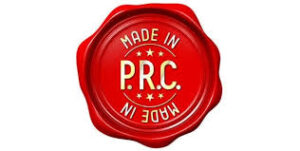
Why do products say made in PRC instead of China?
Some companies also choose to use made in prc due to political and economic considerations. In certain regions, geopolitical tensions or trade disputes may influence how consumers view products from China. By using a less direct reference to the country, manufacturers may aim to avoid potential bias or restrictions on imports. However, consumers should understand that the label does not signify any difference in the product itself. Whether labeled made in China or made in PRC, the item originates from the same manufacturing hubs and follows the same production guidelines.
In industries such as electronics, textiles, and home appliances, the use of made in PRC has become more common. Companies recognize that consumer perception affects purchasing decisions, and adjusting the wording on labels can be a strategic move to maintain or improve sales. However, buyers should focus on product specifications, brand reputation, and user reviews rather than the terminology on the packaging. Quality varies between manufacturers, not because of the country-of-origin label but due to the materials, design, and production standards set by the company.
Ultimately, whether a product says made in PRC or made in China, it comes from the same place. The distinction is purely in wording, and the quality remains dependent on the manufacturer rather than the label itself. Consumers who understand this can make informed choices based on the actual attributes of the product rather than assumptions about its labeling.

Leave a Reply