
Can PLA pellets be used for creating prototypes?
PLA (Polylactic Acid) pellets have become a popular material in the world of 3D printing due to their versatility, ease of use, and eco-friendly properties. A common question among 3D printing professionals and hobbyists alike is whether PLA pellets are suitable for creating prototypes. Given the increasing demand for rapid prototyping in various industries, it’s essential to evaluate PLA’s capabilities in this context. In this article, we’ll explore how PLA pellets can be used for prototyping, their advantages, and some considerations when choosing PLA for your prototype creation.
PLA Pellets: Ideal for Prototyping
PLA pellets are one of the most commonly used materials for 3D printing prototypes. The reason for this is simple: PLA is a relatively easy material to work with, offers excellent printability, and provides high-quality results with minimal effort. When using PLA pellets for prototyping, the material’s characteristics make it particularly suitable for applications where ease of modeling, speed, and cost-effectiveness are key considerations.
One of the primary advantages of using pla pellets for prototypes is the material’s excellent adhesion properties. PLA is known for sticking well to the print bed and other surfaces, resulting in smooth, precise prints. This feature is particularly valuable when creating prototypes that need to maintain accuracy and stability throughout the printing process.
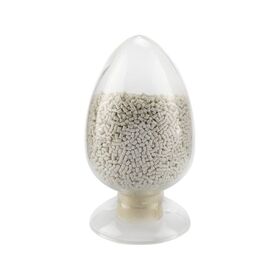
Additionally, PLA pellets allow for fast print times, which is essential when creating prototypes for design testing or product development. Rapid prototyping is an important part of the product development cycle, and PLA’s ability to print quickly without sacrificing quality is a significant advantage in this regard.
Advantages of Using PLA Pellets for Prototypes
-
Ease of Use: PLA is considered one of the easiest materials to 3D print with. It doesn’t require a heated bed or high extrusion temperatures like other materials such as ABS, making it perfect for beginners or those in a fast-paced prototyping environment. This ease of use reduces the chances of print failures, ensuring a smoother prototyping process.
-
Accuracy and Detail: PLA allows for fine details and complex geometries, which is important when creating functional prototypes. Whether you’re printing intricate parts for a mechanical design or creating aesthetic models for visual purposes, PLA can handle the precision required.
-
Cost-Effective: When sourcing PLA pellets for 3D printing, the material is typically more affordable than other filaments such as ABS or nylon. This affordability makes PLA a great choice for prototyping, especially when working with tight budgets or when multiple iterations are needed to refine a design.
-
Eco-Friendly: As PLA is derived from renewable resources like corn starch or sugarcane, it’s a biodegradable material that has less environmental impact compared to petroleum-based plastics. This eco-friendly aspect makes PLA a popular choice for companies seeking to reduce their carbon footprint or meet sustainability goals in the prototyping process.
Considerations When Using PLA Pellets for Prototypes
While PLA is an excellent choice for many types of prototypes, it’s important to consider the material’s limitations based on the intended application. PLA is not as strong or heat-resistant as other materials, such as ABS or polycarbonate. As a result, PLA is best suited for prototypes that don’t need to withstand extreme mechanical stress or high temperatures. If your prototype will be exposed to high levels of heat, mechanical wear, or outdoor elements, you may need to look into other materials that offer enhanced durability and strength.
Another consideration is PLA’s tendency to degrade over time when exposed to moisture. PLA pellets are hygroscopic, meaning they absorb moisture from the air, which can affect print quality and structural integrity. To avoid issues like poor adhesion, bubbling, or surface defects, it’s important to store PLA pellets in a dry environment and use them within a reasonable time frame. Purchasing PLA pellets from verified suppliers, such as those offered through platforms like Global Sources, ensures that you receive high-quality products that are well-packaged and ready for use in your prototype creation.
Where to Find Wholesale PLA Pellets for Prototyping
When sourcing PLA pellets for prototyping, it’s crucial to choose high-quality materials to ensure the success of your prints. Global Sources offers a comprehensive list of wholesale PLA pellets products, featuring verified wholesalers and manufacturers from countries such as China, India, Korea, and beyond. By browsing their platform, you can easily compare prices, check minimum order quantities (MOQs), and select the best PLA pellets for your prototyping needs.
Global Sources simplifies the process of finding the right PLA pellets by connecting suppliers with buyers in a B2B environment. You can efficiently find PLA pellets that meet your quality requirements and order in bulk at factory prices, streamlining the sourcing process for large or small-scale projects.
Conclusion
PLA pellets are an excellent choice for creating prototypes, offering numerous advantages such as ease of use, cost-effectiveness, and precision. Whether you’re developing a product for design testing or creating visual models, PLA’s low melting point and good adhesion properties make it a go-to material for rapid prototyping. While it may not be suitable for prototypes that require high strength or heat resistance, PLA is perfect for many applications in product design, engineering, and innovation. To ensure the highest quality PLA pellets for your prototype projects, consider sourcing from trusted suppliers like Global Sources, where you can access a wide range of wholesale PLA pellet options from reliable manufacturers worldwide.

Leave a Reply